Worried about crypto scams? Learn the fundamentals of safe crypto investing with our comprehensive beginner’s guide. Discover how to spot red flags, choose secure platforms, and build a trustworthy portfolio.
Navigating the Crypto World: A Beginner’s Guide to Safe & Smart Investing
The crypto world is full of incredible opportunity, but for newcomers, it can feel like a minefield. With constant news about hacks, “rug pulls,” and celebrity-endorsed scams, it’s easy to be overwhelmed and worried about losing your money.
But here’s a secret: the most successful crypto investors aren’t just lucky. They are well-informed. They know how to identify scams, conduct thorough research, and prioritize security. This guide will walk you through the essential steps to navigate the crypto landscape safely and responsibly, no matter where you are in the world.
Step 1: Prioritize Education, Not Hype
The single biggest mistake a new investor can make is to follow hype without understanding the underlying technology.
- Learn the Basics: Start with the fundamentals. What is a blockchain? How does Bitcoin’s proof-of-work differ from Ethereum’s proof-of-stake? What’s the difference between a crypto exchange and a decentralized exchange (DEX)? Our blog has detailed guides on all these topics to get you started.
- Decipher Whitepapers: A project’s whitepaper is its roadmap. Legitimate projects have clear, well-written whitepapers that explain their technology, use cases, and tokenomics. If a project’s “whitepaper” is just a flashy website with buzzwords and no substance, consider it a major red flag.
- Understand Risk: Never invest more than you are willing to lose. This is a mantra for a reason. Volatility is inherent in the crypto market. Your portfolio could be up 50% one day and down 30% the next. Knowing this is the first step to smart investing.
Step 2: Spot and Avoid Common Scams
Scammers thrive on a lack of knowledge. Being able to recognize their tactics is your most powerful defense.
- The “Guaranteed Returns” Lie: No one, not an influencer, an investment group, or a random person on social media, can guarantee returns. If it sounds too good to be true, it is a scam.
- Requests for Your Private Keys: Your private key (or seed phrase) is the master password to your crypto wallet. NEVER, EVER, EVER share it with anyone, for any reason. Legitimate platforms will never ask for it.
- The “Pump and Dump”: This is a coordinated scheme where a group of people artificially inflate a low-value coin’s price by spreading false hype. Once the price soars, they sell their holdings, leaving other investors with worthless tokens.
Step 3: Choose the Right Platforms for Your Region
The rules of the game change depending on where you are. A platform or service that’s legal and reputable in one country might not be in another.
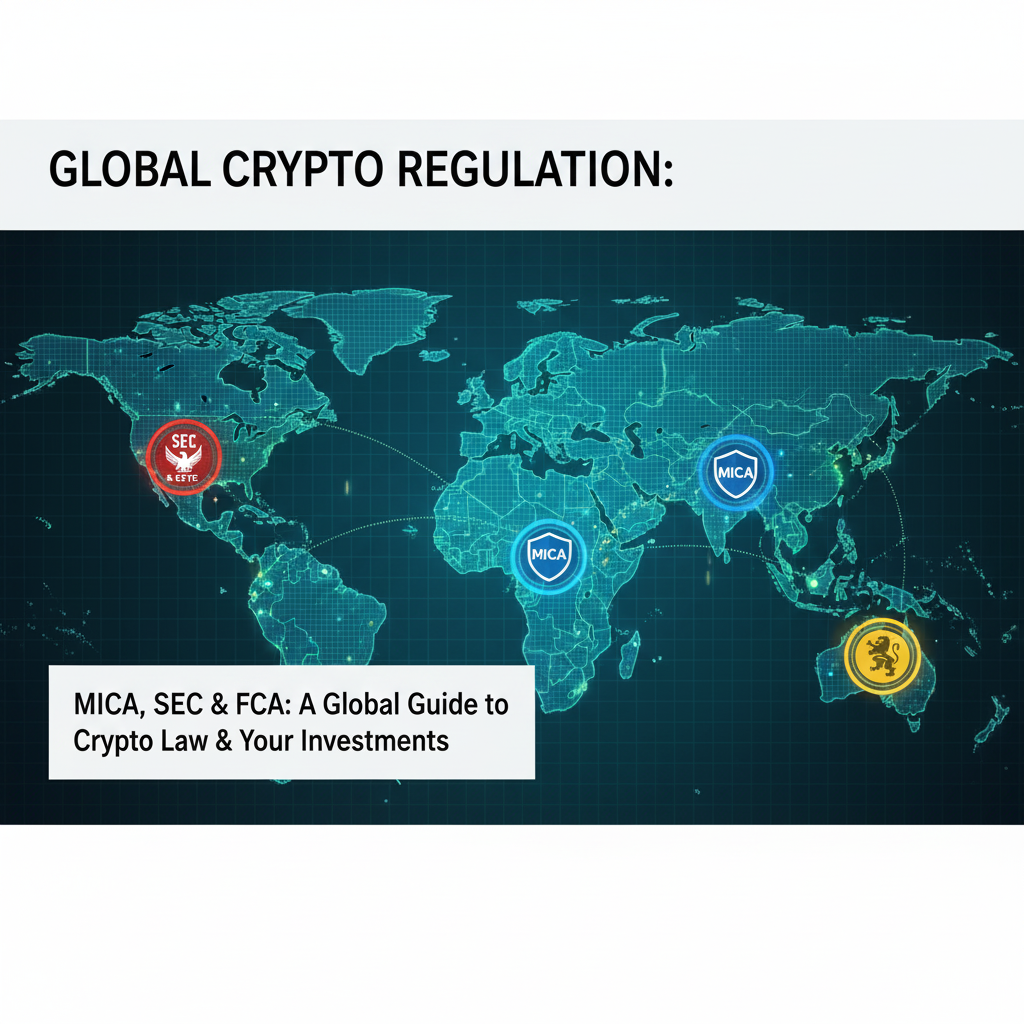
- For US-Based Users: Prioritize exchanges that are registered and compliant with U.S. regulations, such as Coinbase, Kraken, or Gemini. Be aware that some international projects may not be available to you due to SEC or other regulatory restrictions.
- For EU-Based Users: The EU’s MiCA framework has brought new clarity to the market. Look for exchanges and projects that are actively working toward MiCA compliance. Your consumer protections are generally higher than in other regions.
- For UK-Based Users: The UK operates under a different set of rules, with the FCA as the main regulator. Be cautious of projects making bold claims, as new advertising rules are in effect to protect consumers.
Always check a platform’s regulatory status in your specific country before creating an account.
Step 4: Secure Your Assets Like a Pro
Your digital assets are your responsibility. A little proactive security goes a long way.
- Use a Hardware Wallet: For long-term storage of a significant amount of crypto, a hardware wallet (like a Ledger or Trezor) is a must. These devices keep your private keys offline, making them virtually immune to online hacks.
- Enable Two-Factor Authentication (2FA): Use 2FA on every crypto account you have. An authenticator app (like Google Authenticator) is far more secure than SMS-based 2FA.
- Beware of Phishing: Always double-check URLs and emails. Scammers create websites that look identical to a real exchange, but with a slightly different URL (e.g.,
kraken.ioinstead ofkraken.com).
Conclusion: Your Crypto Journey Starts with Knowledge
The crypto market is more accessible than ever, but that also makes it a target for bad actors. By taking the time to educate yourself, understanding the red flags, and prioritizing security, you can move from being a target to being an empowered investor.
Disclaimer: This article is for informational and educational purposes only and does not constitute financial advice. The crypto market is highly volatile, and you should always conduct your own research before making any investment decisions.