

Master the highly volatile crypto futures market. Learn what futures are, how to start, use leverage wisely, set stop-loss, and prevent liquidationi for profitable trading.
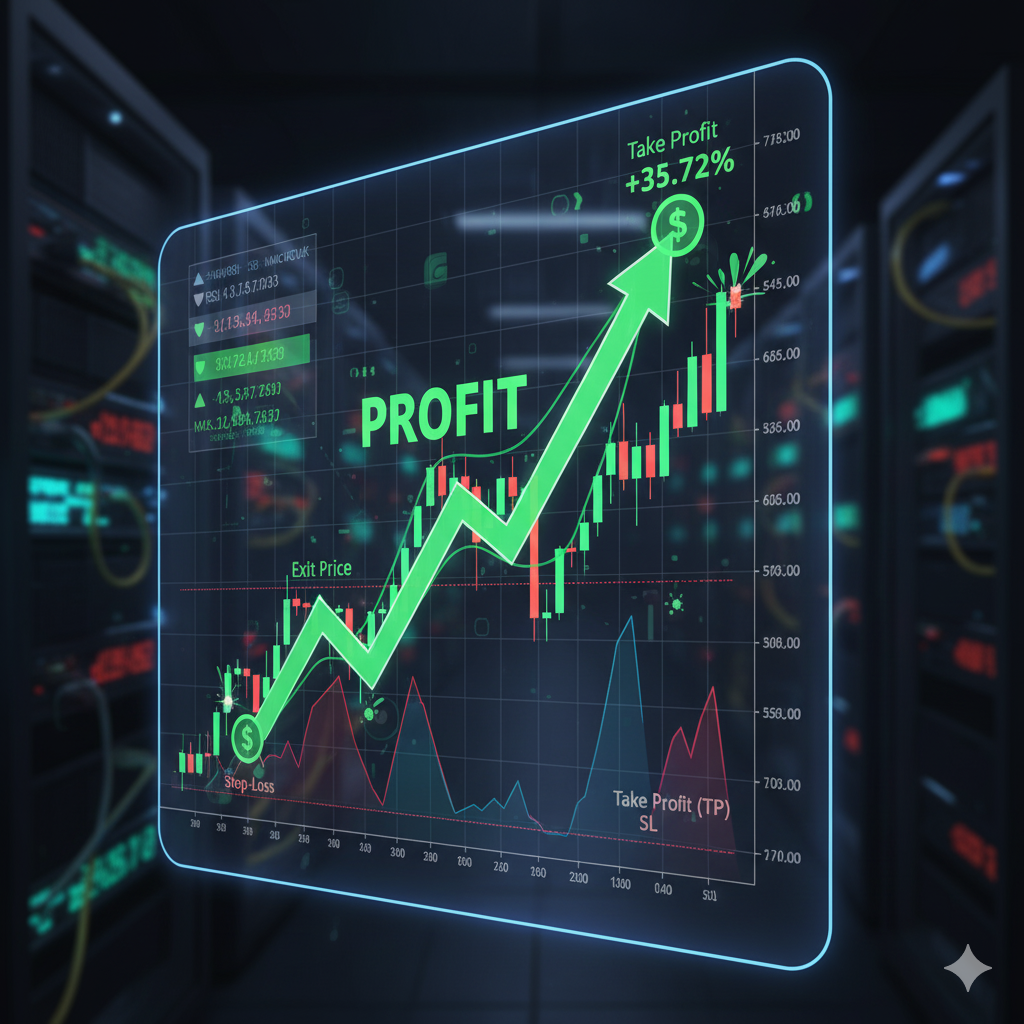
The world of cryptocurrency is fast-paced, volatile, and presents immense opportunities for profit—if you know how to navigate its derivatives markets. Crypto futures trading allows you to speculate on the future price of an asset without owning the underlying coin. This guide will demystify futures, outline how to start, and, most importantly, provide a blueprint for managing risk to thrive in a highly volatile market.
1. What is Crypto Futures Trading?
A futures contract is a legal agreement to buy or sell a specific quantity of an underlying asset (like Bitcoin or Ethereum) at a predetermined price on a specified date in the future.
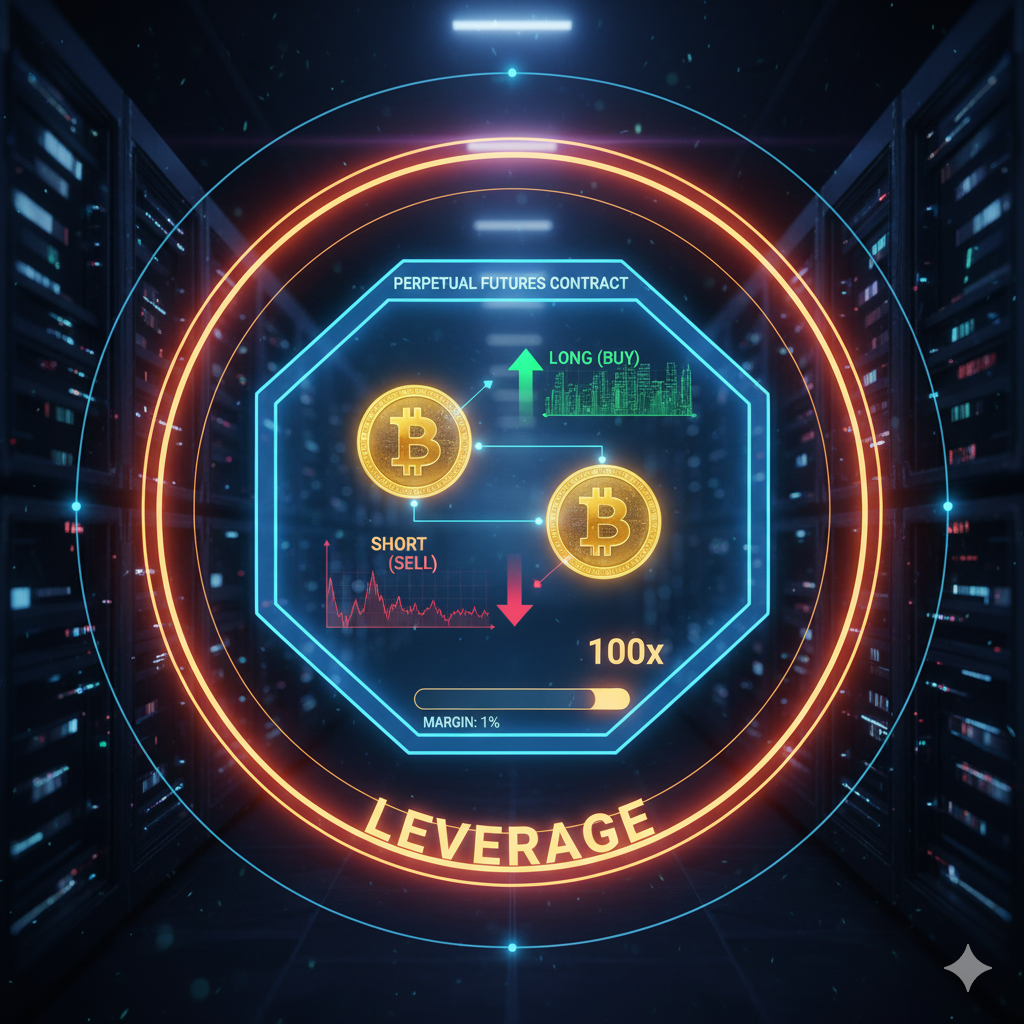
In the crypto world, however, the most common type of futures is the Perpetual Future Contract. Unlike traditional futures, perpetual contracts do not have an expiration date, allowing traders to hold their positions indefinitely, as long as they maintain sufficient margin.
Key Concepts:
- Underlying Asset: The cryptocurrency (e.g., BTC, ETH) the contract is based on.
- Leverage: The ability to control a large contract value with a small amount of capital (margin). For example, with 10x leverage, you can open a $10,000 position with only $1,000 of your own money. Leverage magnifies both potential profits and losses.
- Long Position: Betting that the price of the underlying asset will increase.
- Short Position: Betting that the price of the underlying asset will decrease.
2. How to Start Crypto Futures Trading
Starting your journey requires preparation, a platform, and a plan.
Step 1: Education and Preparation
Before risking any capital, understand the core principles, terminology, and risks. Utilize educational resources and consider starting with a platform’s demo or paper trading account to gain practical, risk-free experience.
Step 2: Choose a Reputable Exchange
Select a crypto exchange that offers futures trading, has strong security, competitive fees, and a user-friendly interface. Major exchanges like Binance, Bybit, OKX, and regulated platforms offer these services.
Step 3: Account Setup and Funding
- Create and verify your account.
- Enable futures trading on your account (often requires a separate application or confirmation).
- Deposit collateral (margin) into your futures wallet, typically in stablecoins like USDT.
Step 4: Define Your Strategy
Will you be a Day Trader (closing positions within the same day), a Swing Trader (holding for several days or weeks), or a Trend Follower? Your strategy dictates your position size and risk management.
Step 5: Execute Your First Trade
- Select a trading pair (e.g., BTC/USDT Perpetual).
- Choose your leverage (start with low leverage, e.g., 2x-5x).
- Determine your position size (how much capital to commit).
- Set your order type (Market, Limit, or Stop-Limit).
- Enter a Long or Short position based on your market analysis.
- Crucially, set a Stop-Loss and Take-Profit immediately.
3. How to Get Profits from Crypto Futures
Profits in futures trading are realized when you close your position at a more favorable price than your entry price.
For a Long Position: You buy a contract at price P1 and sell it later at a higher price P2.
Profit=(Exit Price−Entry Price)×Contract Size×Leverage
For a Short Position: You sell a contract at price P1 and buy it back later at a lower price P2.
Profit=(Entry Price−Exit Price)×Contract Size×Leverage
Example (Long):
- Entry Price: $40,000 BTC
- Leverage: 10x
- Investment (Margin): $100
- Position Value: $1,000
- BTC Price rises to: $40,400 (a 1% move)
- Profit: 1%×$1,000=$10 (a 10% return on your $100 margin)
4. Essential Risk Management Tools and Concepts
In a highly volatile market, risk management is not optional—it’s the core of profitable trading.
A. Potential Risks
- High Volatility Risk: Sudden, sharp price movements can quickly wipe out your margin.
- Liquidation Risk: Due to leverage, a small adverse price move can cause your entire position’s margin to be forcibly closed.
- Funding Rate Risk: For perpetual futures, you periodically pay or receive a funding fee, which can eat into your profits or increase losses, especially if you hold a highly leveraged position for a long time.
- Over-Leveraging: Using excessively high leverage (e.g., 50x-100x) drastically increases your risk of liquidation.
B. Stop-Loss (SL)
A Stop-Loss order is an instruction to close your position automatically when the price reaches a certain unfavorable level.
- Purpose: To cap your maximum potential loss on any single trade and prevent emotional trading decisions.
- Best Practice: Determine your Stop-Loss based on technical analysis (e.g., below a key support level) and your predefined risk tolerance (e.g., risk no more than 1-2% of your total trading capital per trade). Set it immediately after opening a position.
C. Liquidation
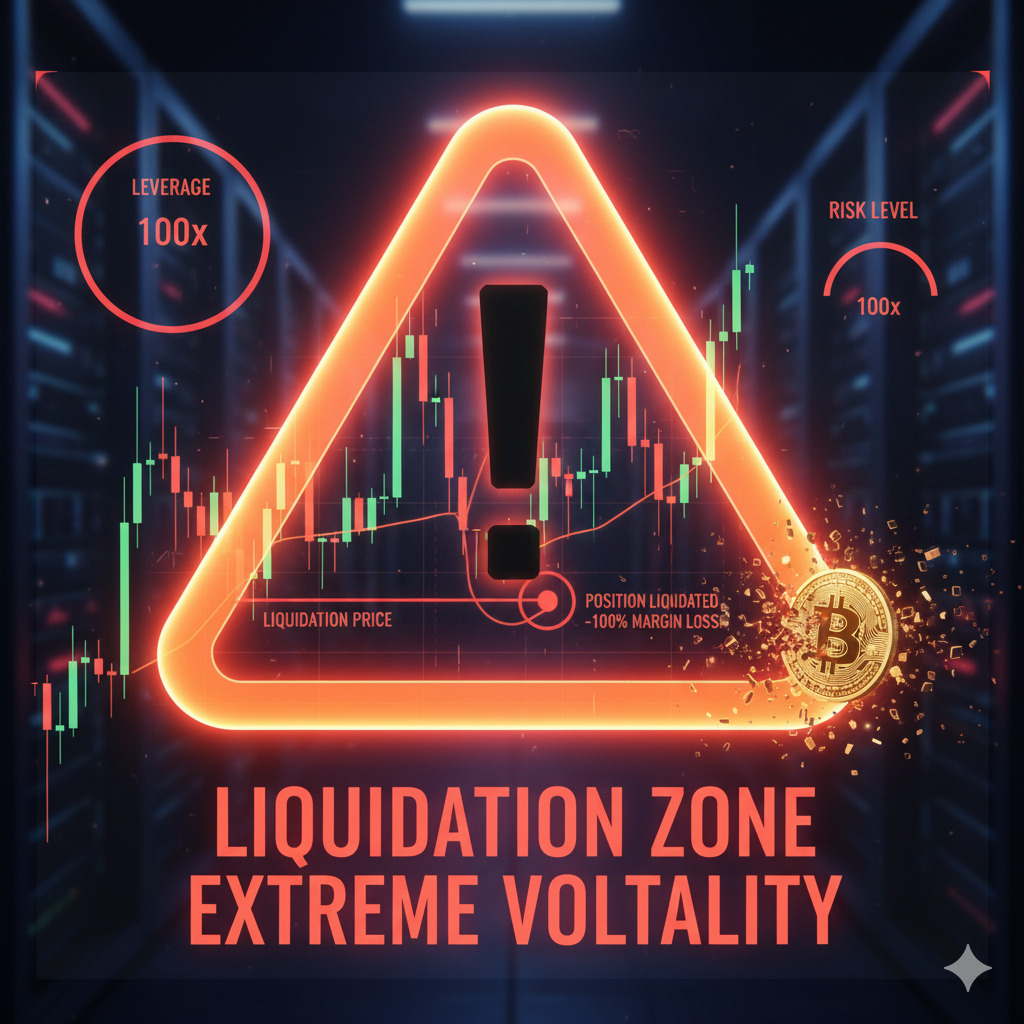
Liquidation is the forced closing of a trader’s leveraged position by the exchange due to the trader’s margin balance dropping below the minimum required maintenance margin. When liquidated, the trader loses their entire initial margin for that position.
- Liquidation Price: The specific price level where the value of your position equals the maintenance margin, triggering a forced close. The higher the leverage, the closer your liquidation price is to your entry price.
D. How to Prevent Liquidation
- Use Low Leverage: The most effective defense. Start with 3x to 5x leverage. This moves your liquidation price far away from your entry price.
- Set a Tight Stop-Loss: Your Stop-Loss should always be placed before the calculated liquidation price. This ensures you exit the trade with a small, predetermined loss rather than losing your full margin to liquidation.
- Maintain a Margin Buffer (Topping Up): If the market moves against you, you can manually add more collateral to your position (Margin Top-Up or Adding Margin). This moves the liquidation price further away, giving the trade more room to breathe. Use this judiciously, as it means increasing your risk exposure.
- Reduce Position Size: Trade small. The smaller your position size relative to your total account balance, the more market volatility your account can withstand.
5. Position Duration in Crypto Futures
There is no “one size fits all” answer, as the duration depends on the contract type and your strategy.
| Contract Type | Typical Duration | Strategy Alignment |
| Perpetual Futures | Minutes to Weeks/Months | Day trading, swing trading, position trading (no expiry) |
| Traditional Quarterly/Monthly Futures | Up to the Expiration Date | Speculation on long-term price direction, hedging |
Rule of Thumb: Your position duration should be determined by your trading plan and the successful execution of your Take-Profit (TP) or Stop-Loss (SL).
- Take-Profit (TP): An order to automatically close a position when it reaches a predetermined profit target. Always set your TP based on a favorable Risk-to-Reward Ratio (e.g., targeting $3 profit for every $1 risked).
- Do not hold a losing trade indefinitely in the hopes of recovery. If your Stop-Loss is hit, close the position and move on.
Final Blueprint for Highly Volatile Markets
- Risk Management First: Never risk more than 1-2% of your total trading capital on a single trade.
- Low Leverage is Key: Start with 3x-5x leverage, even if your platform offers 100x.
- Immediate SL & TP: Enter the market with a defined exit strategy—set both your Stop-Loss and Take-Profit orders immediately upon opening your position.
- Use Technical Analysis: Trade with the trend, identify strong support and resistance levels, and use indicators (like RSI, MACD) to confirm your entry and exit points.
- Stay Informed: Cryptocurrency prices are heavily influenced by news, regulatory developments, and market sentiment. Integrate fundamental analysis into your decision-making.
Futures trading offers an exciting path to potential profit in crypto, but it demands discipline. Treat it as a marathon, not a sprint, and always prioritize the preservation of your capital over the pursuit of outsized gains.
Disclaimer: Futures trading involves substantial risk of loss and is not suitable for every investor. Only risk capital that you can afford to lose.